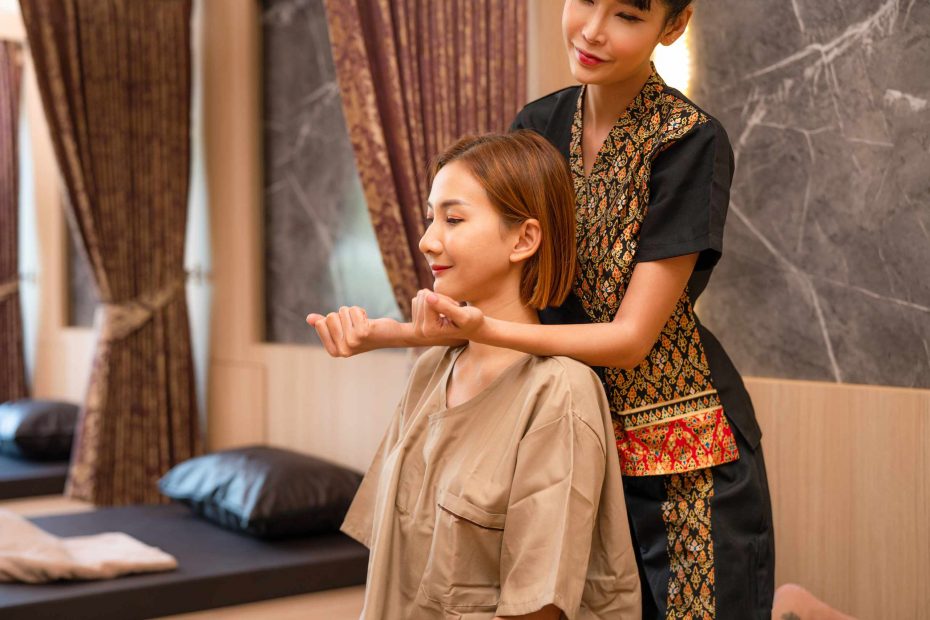
Strong pressure can seem tempting, especially when you are new to massage. It feels like the more you do, the more the receiver feels. However, simple relaxation massage works best when you maintain a clear, consistent touch that is easy to modify. Pressure control is not about demonstrating your strength; rather, it is about learning where your hand is making contact, how the receiver is reacting, and how fast you can dial the pressure back down when the touch is too much.
Practice placing your entire palm flat on a towel-covered area, such as the forearm or the shoulder and upper back, and hold the pressure contact briefly before sliding along the body. This allows you to check if your wrist is bent or twisted, if your shoulder is hiked, or if your stroke is using your back instead of good body mechanics. If in the first minute your hand and shoulder are straining, then your contact may be using effort rather than pressure control.
A basic pressure dialogue can be simple. Ask the receiver to judge the pressure as light, medium, or too much pressure. Perform the exact same gliding contact stroke three times, changing only the pressure. The first contact can be light and easy. The next can be slightly more firm and even. The last contact should never be chasing the depth or pain; the point of the third pressure stroke is to determine if you can increase contact pressure without speeding up, digging, or tightening your wrist. You are training your body to keep your contact pressure independent of your body contact tension.
Often people begin to make contact pressure harder when they reach a tight muscle, especially a muscle in the neck or upper back. This sudden change in pressure can feel too much and feel uncomfortable or jarring to the receiver. Treat a tight muscle as an opportunity to slow down, use wider contact, and ask a comfort question. Wide palm contact is often calmer and more reassuring than pressure with your thumb or finger tip. If you are near bony or sensitive areas, reduce your pressure and change your angle rather than pressing into it.
Oil or lotion can also impact pressure control. If there is too much product, your contact may slip along and glide quickly, making you lose track of your contact and making your stroke hard to guide. If there is too little product, there may be more friction or drag, and you may begin to make contact contact harder without meaning to. Apply a measured amount of your oil or lotion and perform one slow, gliding contact stroke from start to end, focusing on contact that is steady and consistent, not slippery. If the pressure feels rushed or fast, stop to adjust. Wipe off excess product if needed to slow down the glide and make the contact slower and softer with your palm.
You should be checking your body for tension just as much as you are getting feedback from the receiver. Be aware of if you are using your thumb tips for most of your pressure work, if your elbow is straight or locked, if your shoulder is creeping toward your ear. Good contact pressure is usually achieved with a change in body contact or a transfer of body weight instead of using your hand muscles, squeezing hard, or locking your joints. If your hand is feeling strained or tired, use wider palm contact and slow down your pressure until the contact feels consistent and controlled.
Instead of trying to determine if the massage session was a good massage, take a moment to note which contact pressure level was easiest for you to maintain, what your stroke sped up, and if you remembered to ask for contact feedback. A smoother body contact rhythm, a smoother stroke pressure, and better feedback answers from the receiver are a better sign that your contact pressure is getting better. It doesn’t mean that the massage feels harder, but it means that it feels better.